

Landmark
Lisbon
Secrets of Lisbon
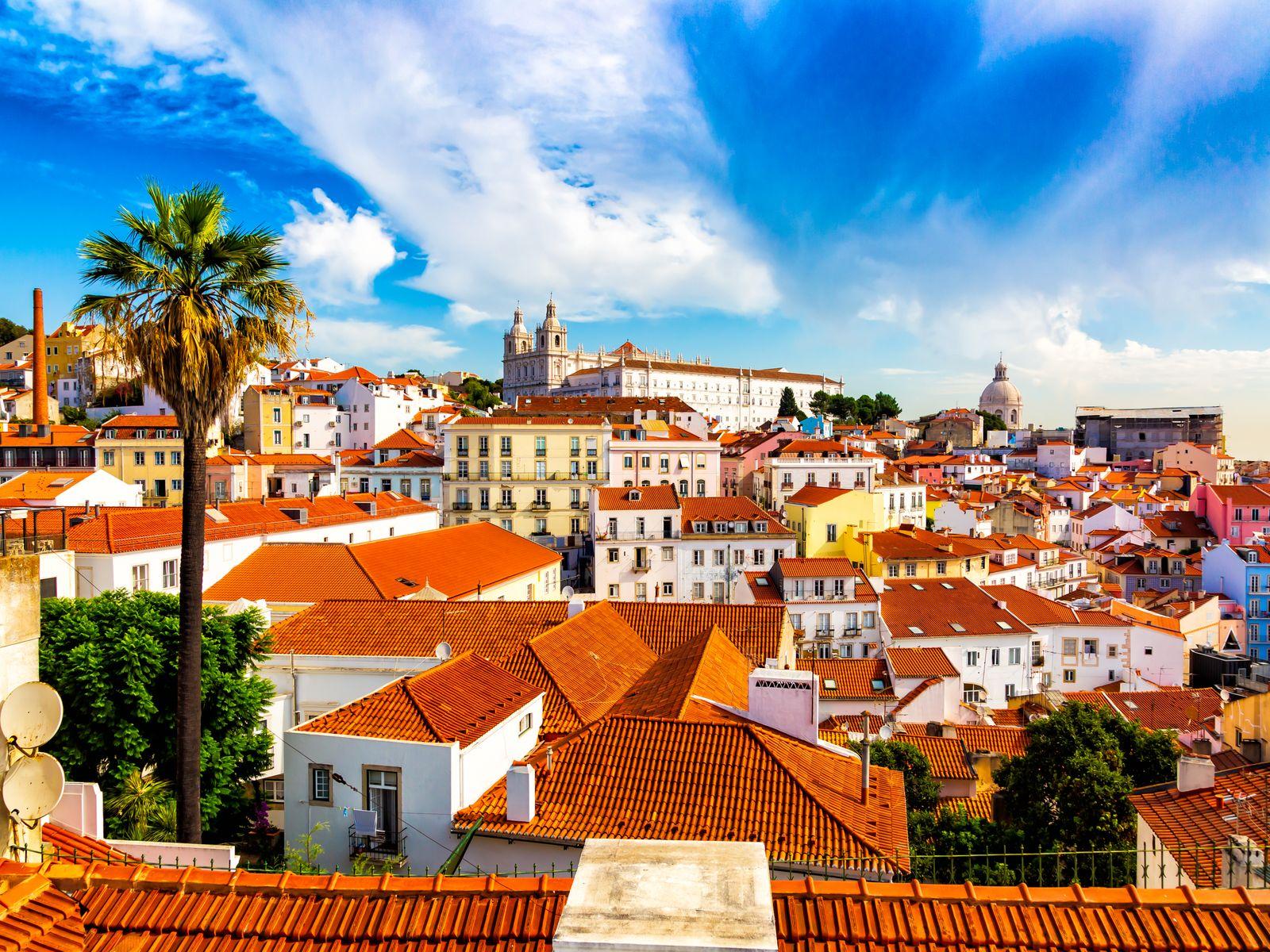
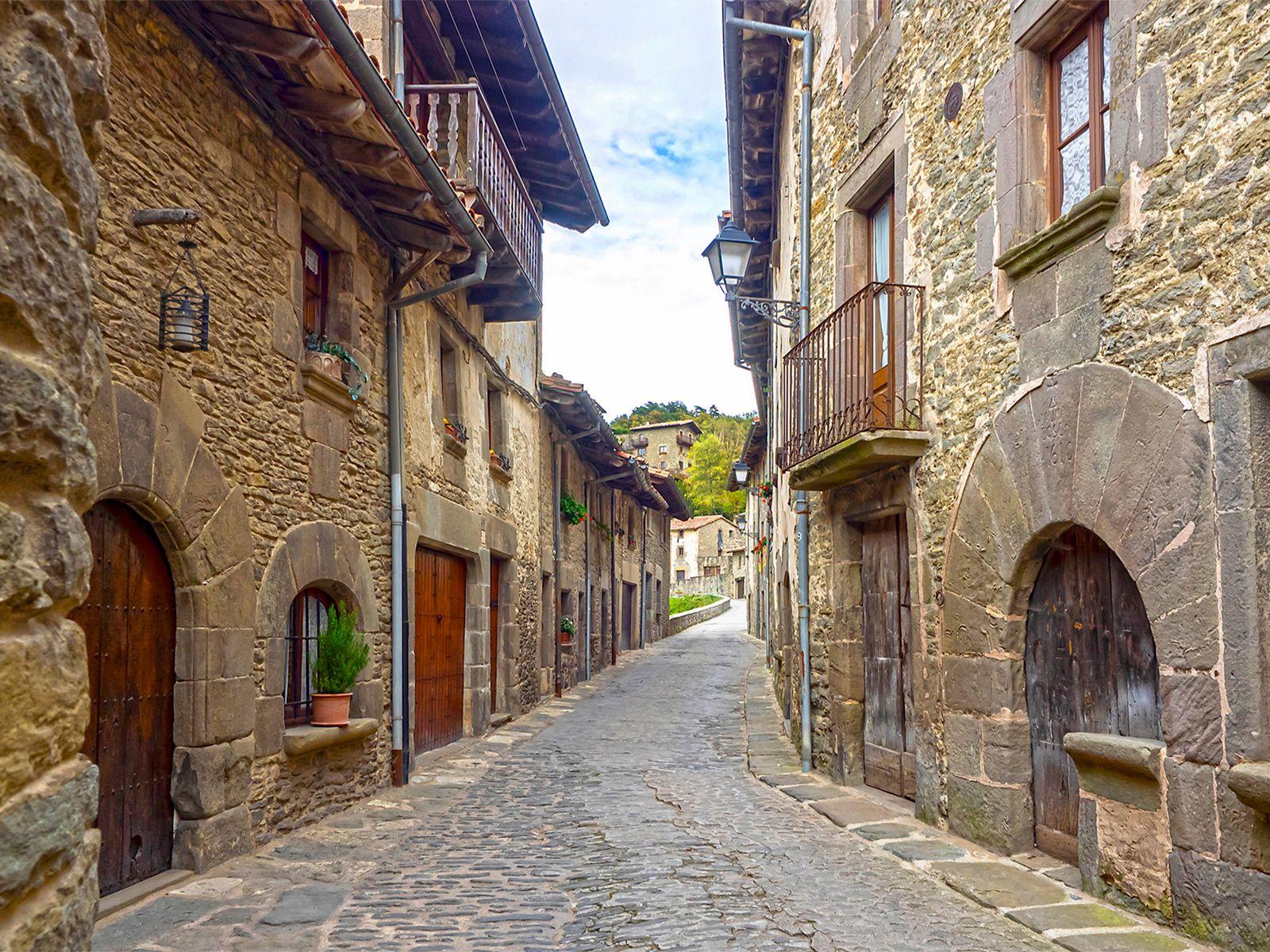
Lisbon has become one of Europe's most-visited cities, and most of its best corners are no longer much of a secret. A handful of spots, though, still carry the city's authentic, unhurried character.
7 areas3 places
In this guide
02
A Taste of Local Ritual
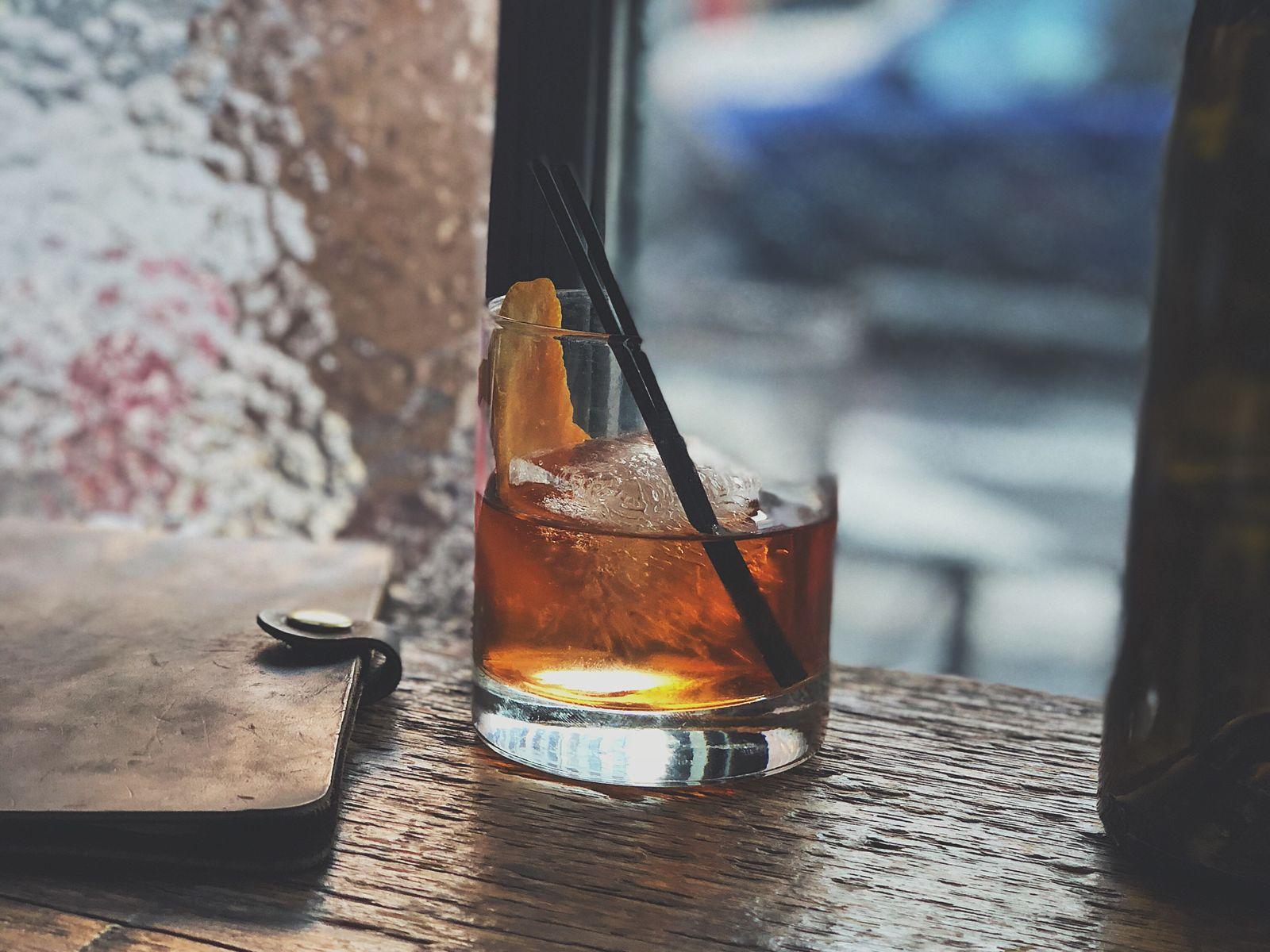
Near Rossio, a small crowd often gathers outside a tiny storefront for a ginja — a Portuguese cherry liqueur and the unofficial drink of Lisbon.
For something more private, book Chef at Home: a complete Portuguese meal cooked in your own apartment by an experienced home cook, through our partner 55+, a local organisation supporting cooks over 55.
Local tip
The best and most authentic ginja is at A Ginginha, Largo São Domingos 8, right by Rossio.
03
Vintage Shopping & Markets
A Vida Portuguesa, in a beautifully preserved old perfume factory in Chiado, sells jewellery, ceramics, stationery and food rescued from the country's memory.
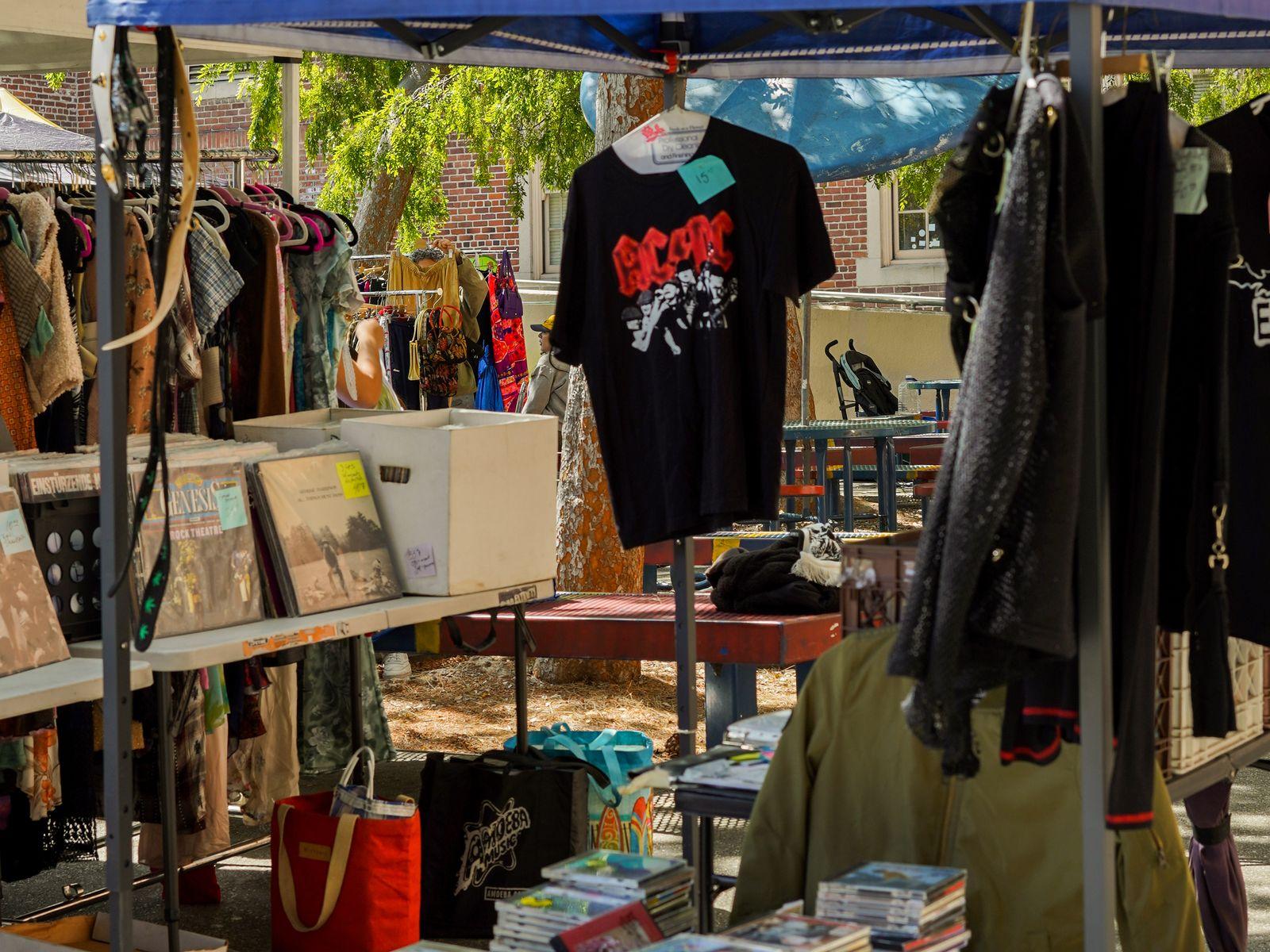
Twice a week, Lisbon's 'Thieves' Market' — Feira da Ladra — takes over a stretch by the National Pantheon in Alfama, a flea market first mentioned in the 17th century.
Local tip
At Feira da Ladra, don't be afraid to negotiate — it's part of the game.
Shop
A Vida Portuguesa
Market
Feira da Ladra
Opening hours: Tuesday & Saturday, dawn to dusk
04
Underground & Off-Radar Lisbon
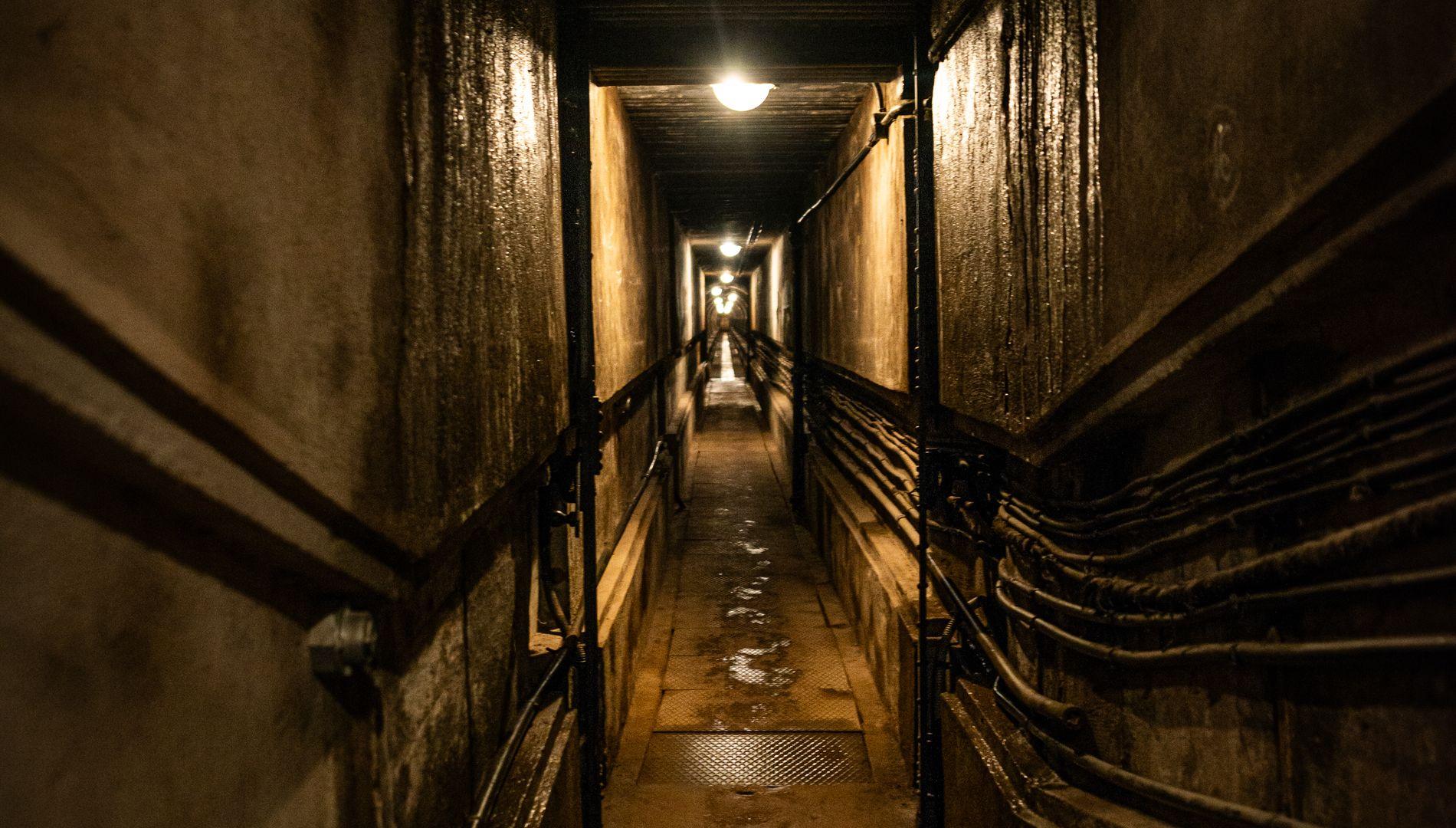
Few locals know that beneath downtown Lisbon runs a network of Roman-era tunnels, open to the public only a few days a year.
In Alfama, at Rua do Cego 20, stands what's considered the oldest house in Lisbon — one of the few buildings to survive the devastating 1755 earthquake.
Local tip
Contact the Lisbon Tourism Office for the Roman galleries' open dates — they're not always accessible.
05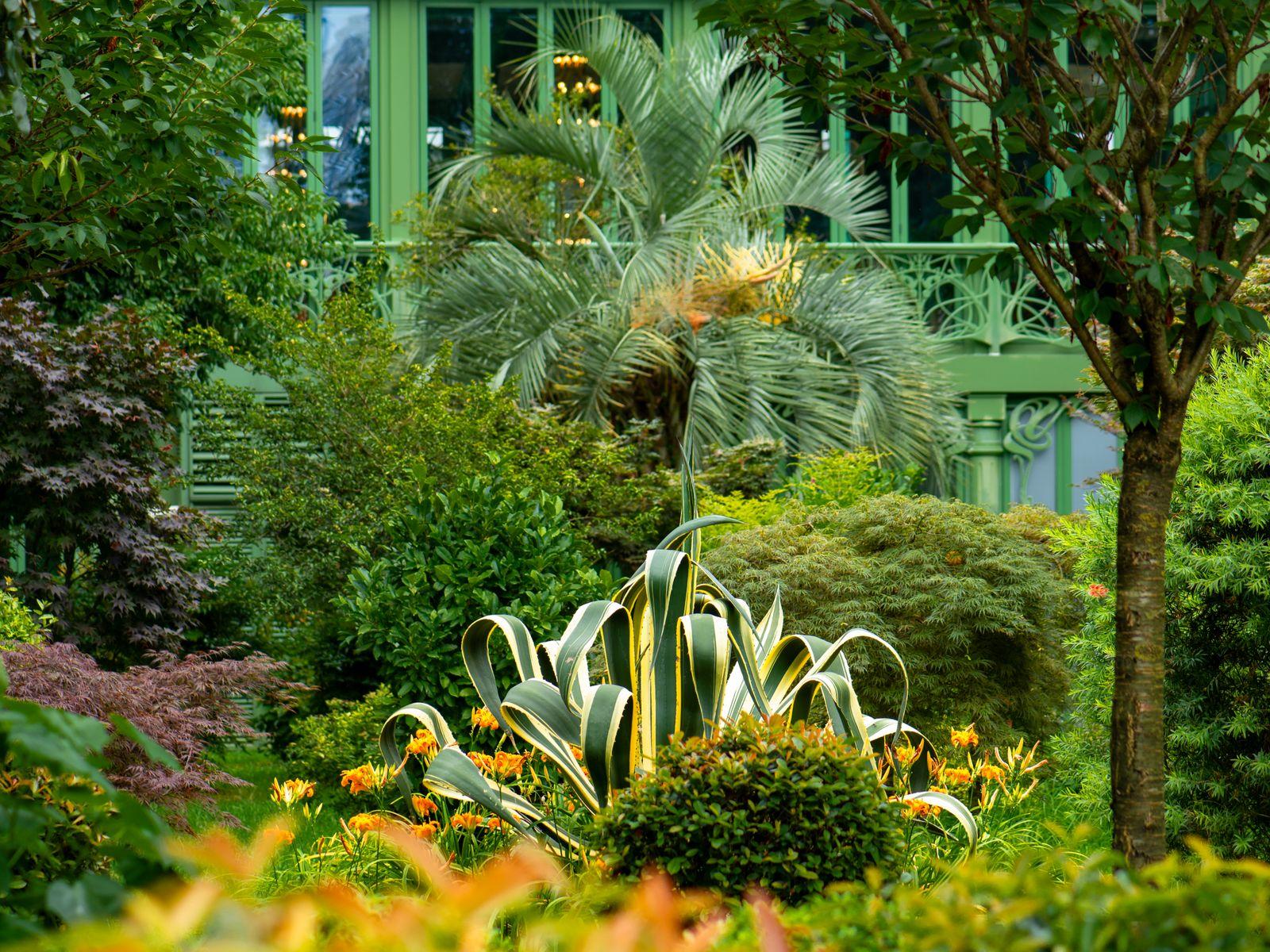
Gardens & Quiet Museums
Estufa Fria, minutes from Marquês de Pombal, is a horticultural wonderland of tropical plants most visitors walk straight past.
The Gulbenkian Museum's gardens are just as worth the visit as the collection inside — a quiet retreat with hidden benches and winding paths.
Local tip
Both Estufa Fria and the Tropical Garden are free to enter every Sunday and on public holidays.
06
Street Art & the Other Side of the River
Lisbon is an open-air gallery — look for Vhils' carved building façades and Bordalo II's sculptures made from salvaged waste.
For a different afternoon, take the 20-minute ferry from Cais do Sodré to Cacilhas, ride up to the Cristo Rei statue, then walk down to riverside restaurant Ponto Final for sunset over the city.
Local tip
Several tuk-tuk operators run dedicated Lisbon Street Art tours.
Keep exploring
More Lisbon guides
Top Things to Do in Lisbon
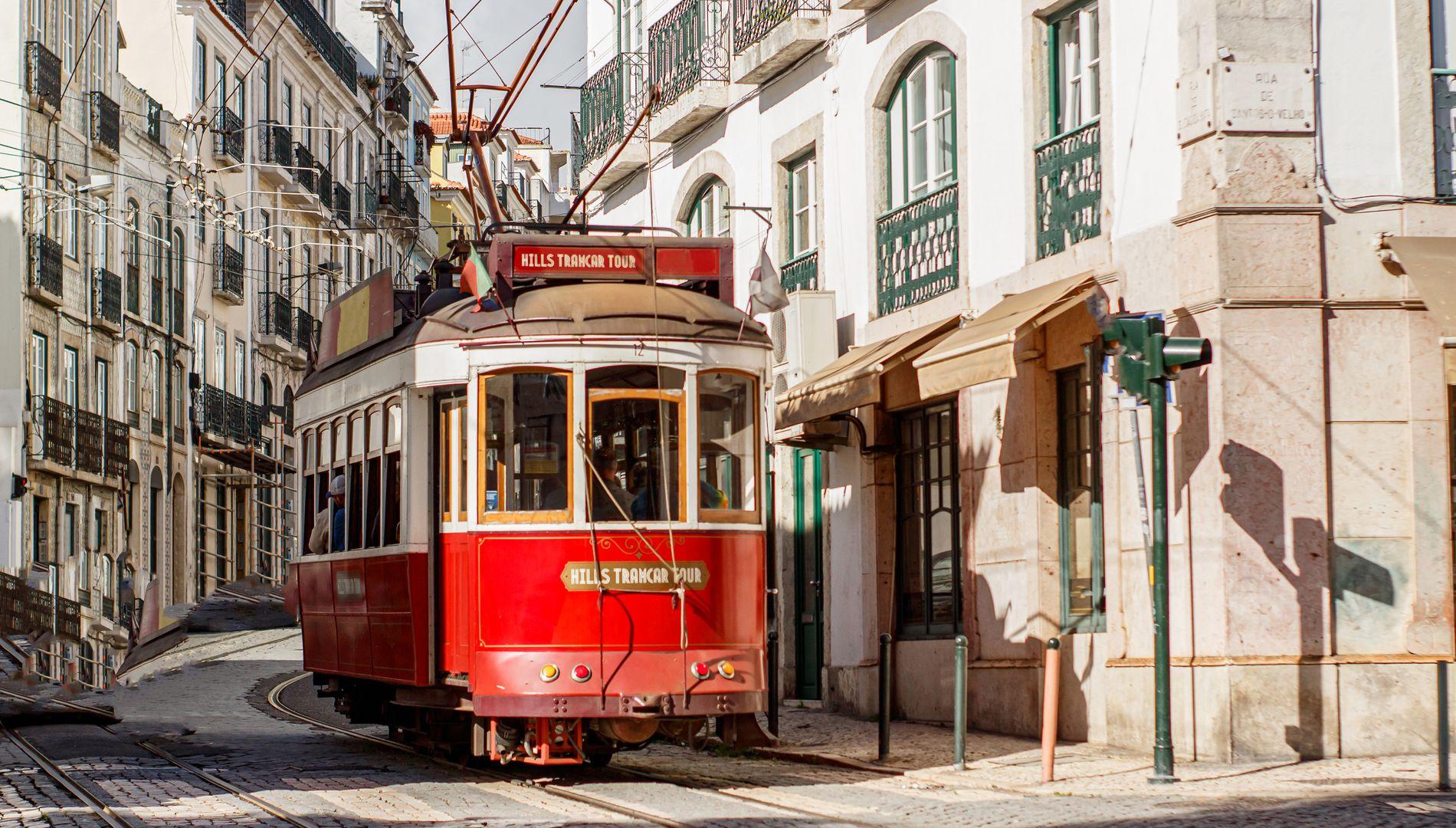
Lisbon blends traditional heritage with striking modernism and progressive thinking — a rich history, amazing views, buzzing nightlife, beautiful beaches and a glorious year-round climate. Here are the essentials our guests ask us about most.
Open guide →
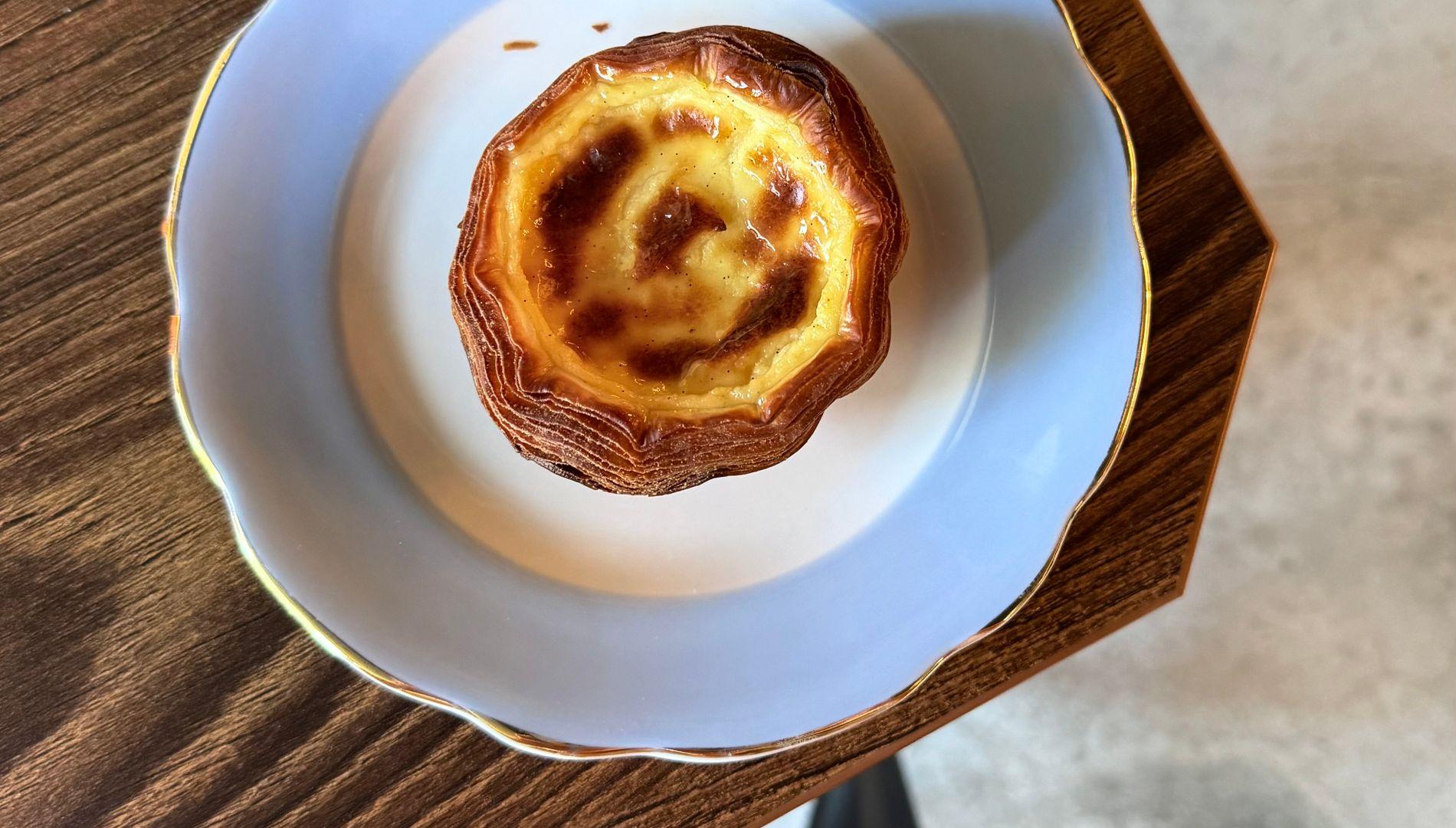
Where & What to Eat in Lisbon
Portuguese gastronomy is rich, varied and heavily Mediterranean, with influences gathered over centuries of seafaring — the freshest fish and seafood, nature-fed beef, and some of the world's best wine, olive oil, cheese and bread. Here's where our team actually eats.
Open guide →
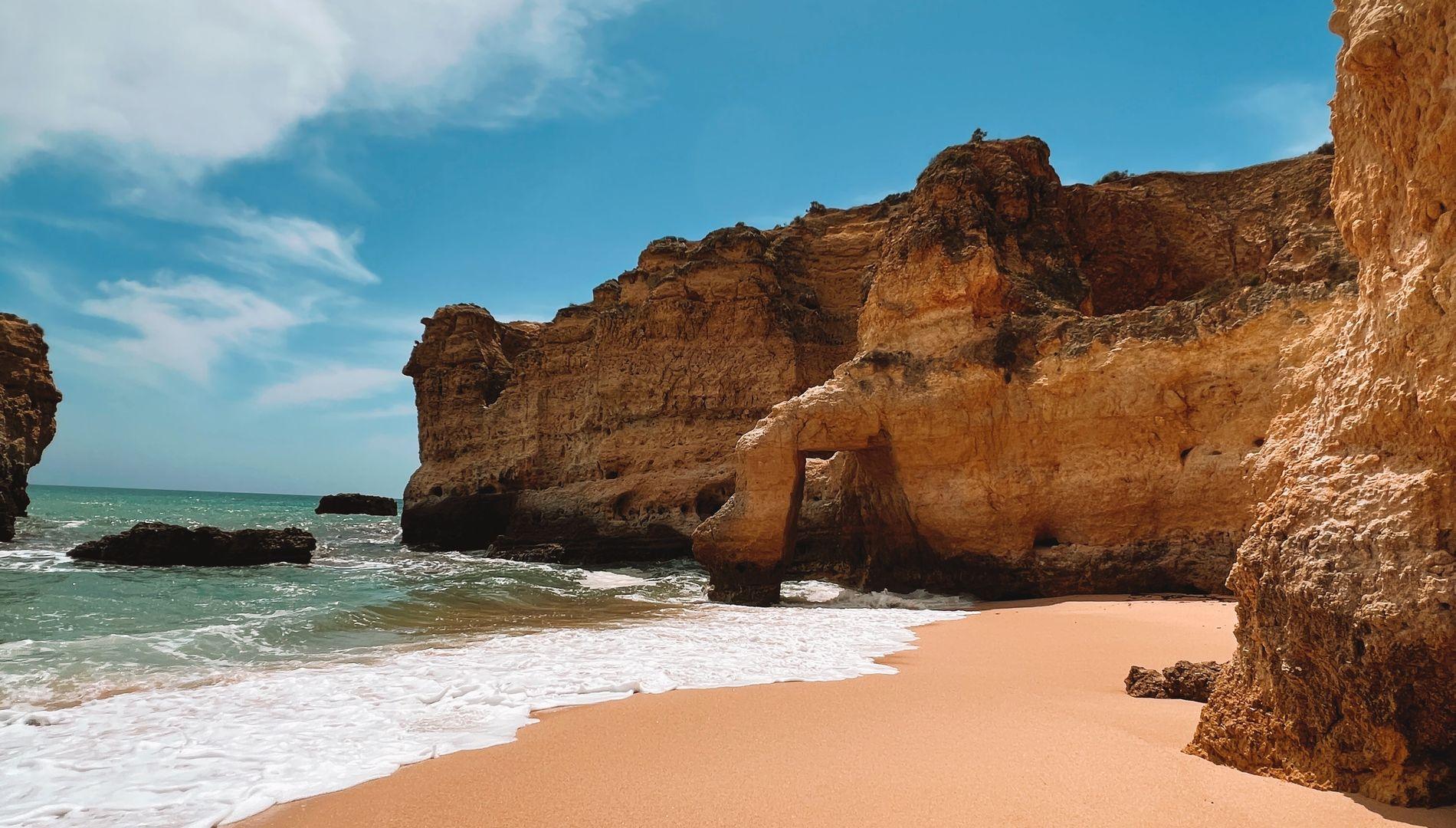
Beaches Near Lisbon
Portugal has more than 900km of coastline and around 300 sunny days a year — perfect whether you're chasing waves or doing absolutely nothing at all. Here's which stretch of sand suits which kind of day.
Open guide →